Blog

  • Terminal Illness: Embracing Life’s End with Dignity and Peace

    Terminal Illness: Embracing Life’s End with Dignity and Peace

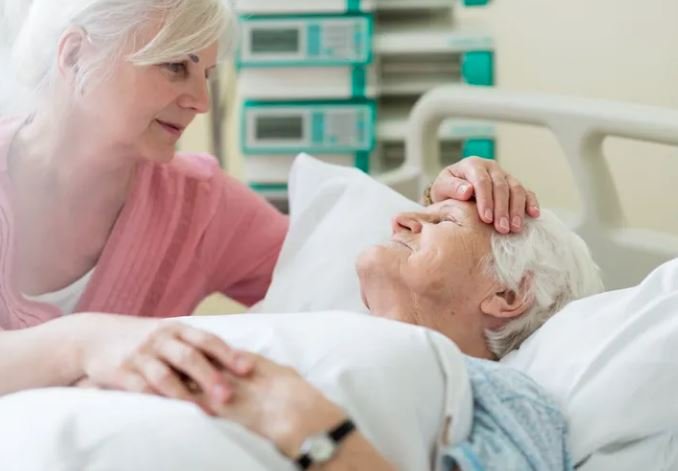
    Facing a terminal illness can be a profoundly challenging and emotional journey for individuals and their loved ones. However, amidst difficult circumstances, it is possible to embrace life’s end with dignity and find moments of peace. In this post, we will explore ways to navigate the final chapter with grace, prioritize quality of life, and ensure that individuals can find solace, comfort, and a sense of control during this time.

    1. Palliative Care and End-of-Life Planning:

    Palliative care is an essential component of embracing life’s end with dignity. We discuss the significance of integrating palliative care early in the disease trajectory to manage symptoms, provide emotional support, and improve overall quality of life. Additionally, end-of-life planning, including creating advance directives and documenting preferences, ensures that individual wishes are respected, promoting a sense of control.

    1. Cultivating Meaning and Legacy:

    Finding meaning and purpose in life, even in the face of a terminal illness, can provide solace and a sense of fulfillment. We explore ways to identify and engage in activities that hold personal significance, leaving a lasting legacy that brings comfort to the individual and their loved ones.

    1. Embracing Emotional Well-being:

    Navigating a terminal illness often brings profound emotions. We discuss the importance of fostering emotional well-being through various means, such as seeking counseling or therapy, connecting with support networks, and engaging in creative outlets, which can channel emotions and promote healing.

    1. Cherishing Relationships and Connection:

    Nurturing relationships with loved ones and cultivating meaningful connections can bring profound comfort during the end-of-life journey. We emphasize the importance of open communication, sharing memories and stories, and expressing gratitude and love to enhance the remaining time together.

    1. Engaging in Spiritual and Existential Exploration:

    For many individuals, spirituality and existential contemplation play a significant role in finding peace and solace. We explore practices such as meditation, prayer, and reflection, which can help individuals connect with their inner selves, grapple with life’s deeper questions and find spiritual strength and comfort.

    1. Addressing Physical Comfort:

    Prioritizing physical comfort is paramount in embracing life’s end with dignity. We discuss approaches to pain management, symptom control, and optimizing comfort through palliative care interventions, ensuring that individuals can live their final days with as much ease as possible.

    1. Establishing a Supportive Environment:

    Creating a supportive and compassionate environment for individuals facing a terminal illness is essential. We explore ways to foster a space that respects dignity, privacy, and autonomy, ensuring that the individual’s needs, desires, and values guide the care they receive.

    Conclusion:

    While facing a terminal illness can be immensely challenging, it is possible to embrace life’s end with dignity and peace. By integrating palliative care, cultivating meaning and legacy, promoting emotional well-being, cherishing relationships, engaging in spiritual exploration, addressing physical comfort, and establishing a supportive environment, individuals can navigate this final chapter with grace and find solace amidst the difficulties. Embracing life’s end with dignity and peace allows individuals to shape their own narrative, leaving behind a legacy of strength and resilience that comforts both themselves and their loved ones.

  • Terminal Cancer: The Influence of Lifestyle Factors on Disease Progression

    Terminal Cancer: The Influence of Lifestyle Factors on Disease Progression

    Terminal cancer is a devastating diagnosis, but there is growing evidence that lifestyle factors can influence the progression of the disease. While these factors cannot guarantee a cure or prevent the terminal nature of cancer, they may contribute to patient well-being, treatment response, and overall quality of life. In this post, we will explore the influence of lifestyle factors on disease progression in terminal cancer patients and discuss strategies to optimize these factors for better outcomes.

    1. Nutrition and Diet:

    Proper nutrition plays an essential role in supporting the overall health and well-being of individuals with terminal cancer. We discuss the importance of maintaining a balanced diet, ensuring adequate nutrient intake, and addressing specific nutritional challenges associated with cancer treatment. We also explore potential dietary interventions that may help optimize immune function, promote healing, and improve treatment response.

    1. Physical Activity and Exercise:

    Engaging in regular physical activity and exercise within an individual’s capabilities can have various benefits for terminal cancer patients. We explore how exercise can improve physical function, reduce fatigue, enhance mood, and promote overall quality of life. We discuss the importance of tailoring exercise programs to the specific needs and abilities of terminal cancer patients while also considering any potential limitations.

    1. Stress Management and Mental Health:

    Managing stress and promoting mental well-being are crucial aspects of supporting terminal cancer patients. We explore the impact of chronic stress on disease progression and discuss strategies for stress reduction, including relaxation techniques, mindfulness practices, and accessing mental health support. By addressing mental health needs, patients can experience improved emotional well-being, which may positively influence disease outcomes.

    1. Sleep and Rest:

    Adequate sleep and rest are essential for individuals with terminal cancer, as they support overall health and healing. We discuss strategies for managing sleep disturbances and promoting restful sleep, such as creating a comfortable sleep environment, establishing a consistent sleep routine, and managing pain and discomfort effectively.

    1. Tobacco and Alcohol Use:

    The role of tobacco and alcohol use in cancer progression cannot be overlooked. We address the importance of discontinuing tobacco use and minimizing alcohol consumption, as these habits can impact treatment response, increase treatment-related side effects, and worsen overall health outcomes in terminal cancer patients.

    1. Social Support and Relationships:

    Maintaining social connections and receiving support from loved ones can positively impact the well-being and disease progression of terminal cancer patients. We discuss the importance of social support networks, including family, friends, support groups, and counseling services. The emotional and practical support provided by these networks can enhance quality of life and contribute to better overall outcomes.

    Conclusion:

    While lifestyle factors cannot change the terminal nature of cancer, they can influence disease progression and improve the well-being of terminal cancer patients. By optimizing nutrition, engaging in appropriate physical activity, managing stress, promoting restful sleep, addressing tobacco and alcohol use, and fostering social support, individuals with terminal cancer may experience improved quality of life and potentially positively impact their overall health. It is crucial to work closely with healthcare professionals to individualize lifestyle recommendations based on each patient’s unique needs and circumstances.

  • Terminal Diagnosis: Nurturing Relationships and Creating Meaningful Connections

    Terminal Diagnosis: Nurturing Relationships and Creating Meaningful Connections

    Receiving a terminal diagnosis can reshape our perspectives on life, emphasizing the importance of nurturing relationships and creating meaningful connections. In this post, we will explore the significance of fostering connections with loved ones, friends, and even strangers during a terminal illness. By prioritizing relationships and building meaningful connections, individuals can find support, love, and a sense of purpose in their journey.

    1. Prioritizing Relationships:

    Terminal diagnoses remind us of the importance of relationships. We discuss the significance of prioritizing time with loved ones, strengthening existing relationships, and reaching out to reconnect with family and friends who may have drifted away over time. These connections provide comfort and a sense of belonging during difficult moments.

    1. Open Communication and Emotional Expression:

    Effective communication is vital in nurturing relationships during a terminal illness. We explore the benefits of open, honest, and compassionate conversations about fears, concerns, and hopes. Creating a safe space for emotional expression strengthens connections and helps loved ones understand and support each other better.

    1. Seeking Support and Building Networks:

    Connecting with support groups or seeking professional counseling can help individuals and their families navigate the complexities of a terminal illness. We discuss the value of support networks, both online and in-person, where individuals can share experiences, find solace, and gain valuable advice from others who understand their journey.

    1. Creating Lasting Memories:

    Embracing the present and creating lasting memories with loved ones can provide tremendous comfort. We explore meaningful activities such as capturing photographs, sharing stories, creating legacy projects, or planning special experiences that can leave a lasting impact on both the individual and their loved ones.

    1. Embracing Acts of Kindness:

    Reaching out and connecting with others beyond immediate relationships can bring unexpected joy and meaning. We discuss the power of random acts of kindness, volunteering, or engaging in community service. Acts of kindness not only uplift spirits but also create connection and purpose, enhancing the journey for everyone involved.

    1. Spiritual Nourishment:

    For individuals with spiritual beliefs, seeking connection and finding solace within their faith or belief system can provide comfort and support. We explore the importance of connecting with spiritual leaders, engaging in rituals, meditation, or prayer, fostering a sense of peace and spirituality during the journey.

    1. Legacy and Sharing Wisdom:

    Preserving one’s legacy and sharing wisdom can bring a sense of fulfillment and purpose. We discuss the significance of sharing life lessons, documenting personal stories, or mentoring others, leaving behind a meaningful legacy that positively impacts those who follow.

    Conclusion:

    Nurturing relationships and creating meaningful connections during a terminal illness enriches the journey and provides comfort, support, and purpose. By prioritizing relationships, fostering open communication, seeking support, creating lasting memories, engaging in acts of kindness, embracing spirituality, and leaving behind a legacy, individuals can find solace and cultivate meaningful connections that bring joy and support, not only during the final chapter but also in the lives they touch along the way.

  • Terminal Cancer: Exploring Precision Medicine Approaches

    Terminal Cancer: Exploring Precision Medicine Approaches

    Terminal cancer diagnoses bring immense challenges, but advancements in medical research have paved the way for innovative treatment approaches. Precision medicine is a specialized approach that tailors treatment plans to individual patients, taking into account their unique genetic, molecular, and environmental characteristics. In this post, we will explore how precision medicine is transforming the landscape of terminal cancer treatment, offering new avenues for improved outcomes and personalized care.

    1. Understanding Precision Medicine:

    Precision medicine focuses on identifying genetic and molecular variations that contribute to cancer development and progression. We delve into the concept of precision medicine, highlighting how it differs from traditional approaches and emphasizing the importance of individualized care based on a patient’s specific cancer profile.

    1. Genetic Testing and Molecular Profiling:

    Precision medicine relies on genetic testing and molecular profiling to identify biomarkers and genetic mutations that are targetable by specific medications or therapies. We explore how these tests are used to guide treatment decisions, facilitate personalized therapies, and identify potential clinical trial opportunities for terminal cancer patients.

    1. Targeted Therapies:

    Targeted therapies are a cornerstone of precision medicine in terminal cancer treatment. We discuss the development and use of targeted drugs that specifically inhibit the growth and spread of cancer cells while sparing healthy cells, potentially leading to improved treatment outcomes and reduced side effects.

    1. Liquid Biopsies and Circulating Tumor DNA:

    Liquid biopsies involve the analysis of circulating tumor DNA (ctDNA) in the blood, allowing for non-invasive monitoring of cancer progression and the detection of treatment-resistant mutations. We examine the role of liquid biopsies in precision medicine, including how they guide therapy selection and enable real-time monitoring of treatment response.

    1. Immunogenomics and Immunotherapy:

    The field of immunogenomics explores the interaction between a patient’s immune system and tumor genetics. We discuss how precision medicine can help identify patients who are more likely to respond to immunotherapy, a form of treatment that harnesses the body’s immune system to target and destroy cancer cells.

    1. Overcoming Challenges and Limitations:

    Precision medicine approaches face various challenges, including the need for improved access to genetic testing, complex data interpretation, and the identification of effective targeted therapies. We highlight these challenges and discuss ongoing efforts to overcome them and expand the reach of precision medicine in terminal cancer treatment.

    1. Ethical Considerations and Future Directions:

    We explore the ethical implications of precision medicine in terminal cancer treatment, such as access disparities and privacy concerns. Additionally, we discuss future directions, including the integration of precision medicine with other treatment modalities and the potential for combination therapies to further enhance outcomes for patients.

    Conclusion:

    Precision medicine is revolutionizing terminal cancer treatment by offering personalized and targeted approaches based on individual cancer characteristics. By harnessing the power of genetic testing, molecular profiling, targeted therapies, and immunogenomics, precision medicine is transforming the way we understand and manage terminal cancers. While challenges and ethical considerations persist, the future of precision medicine holds great promise as we strive to improve survival rates, enhance quality of life, and provide tailored care for patients facing terminal cancer diagnoses.

  • Terminal Cancer: Recognizing Signs of Disease Progression and Adjusting Treatment

    Terminal Cancer: Recognizing Signs of Disease Progression and Adjusting Treatment

    For individuals facing terminal cancer, recognizing signs of disease progression is crucial in order to make informed decisions about treatment options. Understanding when to adjust the treatment plan and shift the focus to palliative care is essential for maintaining the best possible quality of life. In this post, we will explore the common signs of disease progression in terminal cancer, discuss the importance of recognizing these signs, and highlight the considerations and adjustments that may be made in the treatment approach.

    1. Understanding Disease Progression in Terminal Cancer:

    We begin by explaining what disease progression entails in the context of terminal cancer. Recognizing the signs that indicate the cancer has advanced beyond the effectiveness of curative treatment options is vital in making informed decisions about adjusting the treatment plan.

    1. Common Signs of Disease Progression:

    We delve into the common signs that may indicate disease progression, such as increased pain or discomfort, declining functional abilities, uncontrolled symptoms, significant weight loss, and a decline in overall well-being. By recognizing these signs, both patients and healthcare providers can initiate necessary discussions and adjustments.

    1. Communicating with the Healthcare Team:

    Open and honest communication with the healthcare team is crucial at this stage. We emphasize the importance of maintaining regular conversations with healthcare providers, discussing concerns, symptoms, and treatment goals, and seeking clarifications regarding disease progression and available treatment options.

    1. Shifting the Treatment Focus:

    As disease progresses and curative treatment becomes less effective, it may be appropriate to shift the treatment focus to palliative care. We explore the benefits of palliative care in providing relief from symptoms, maximizing comfort, and ensuring the best possible quality of life for the individual.

    1. Considering Alternative Therapies:

    In some cases, alternative or complementary therapies may be explored to enhance comfort and well-being. We discuss the potential benefits of interventions such as pain management techniques, integrative therapies, and supportive care services to address specific symptoms and improve overall quality of life.

    1. Emotional Support and Counseling:

    Recognizing disease progression can take a toll on emotional well-being. We highlight the importance of seeking emotional support, counseling, and psychotherapy for both patients and their loved ones. These supportive services can help individuals navigate the complex emotions associated with terminal cancer and adjust to the changing circumstances.

    1. Holistic Approaches to End-of-Life Care:

    In the final stages of terminal cancer, a holistic approach to end-of-life care becomes paramount. We emphasize the value of comprehensive and personalized care plans that address not only physical needs but also emotional, social, and spiritual aspects. Hospice care and palliative care services play a vital role in providing comfort, dignity, and support to patients and their families.

    Conclusion:

    Recognizing and understanding signs of disease progression in terminal cancer is crucial for making informed decisions about adjusting treatment plans and transitioning to palliative or end-of-life care. By maintaining open communication with healthcare providers, considering alternative therapies, seeking emotional support, and embracing a holistic approach to care, individuals facing terminal cancer can navigate this challenging journey with compassion, comfort, and dignity.

  • The Role of Home Care in Terminal Disease: Enhancing Comfort and Support

    The Role of Home Care in Terminal Disease: Enhancing Comfort and Support

    When individuals face a terminal disease, receiving care in the comfort of their own home can play a significant role in enhancing their overall well-being. Home care services provide personalized support, medical assistance, and emotional comfort to patients and their families during this challenging time. In this post, we will explore the role of home care in terminal diseases, highlighting the benefits and services offered to improve comfort and support for patients in their final stages of life.

    1. Personalized Care at Home:

    Home care services provide tailored support that meets the unique needs of individuals with terminal diseases. We discuss how skilled healthcare professionals, including nurses, aides, and therapists, can visit patients at home to administer medications, manage symptoms, and provide emotional support.

    1. Improved Quality of Life:

    Receiving care at home can significantly contribute to a patient’s quality of life during their final stages of life. We explore how home care services focus on pain management, comfort measures, and assistance with daily activities, allowing individuals to maintain autonomy, dignity, and the opportunity to spend precious moments with loved ones.

    1. Emotional and Psychosocial Support:

    Home care agencies understand the emotional toll of terminal diseases on both patients and their families. We discuss the importance of emotional and psychosocial support provided by trained professionals, including counselors and social workers, who offer a compassionate presence, therapeutic communication, and guidance in navigating emotional challenges.

    1. Respite and Support for Caregivers:

    Caring for a loved one with a terminal illness can be physically and emotionally demanding. Home care services provide respite care, allowing caregivers to take a break while professionals step in to provide support. We emphasize the significance of caregiver support, education, and provision of resources to reduce stress and promote their well-being.

    1. Coordination of Care:

    Home care agencies often facilitate coordination between healthcare providers, ensuring continuity of care for terminal disease patients. This includes collaborating with physicians, specialists, and other healthcare professionals to ensure a comprehensive and holistic approach to patient care in the home setting.

    1. Bereavement Support:

    Grief and loss are significant components of the terminal disease journey. We discuss how home care services extend support to families during the bereavement period, providing counseling, grief support groups, and connecting them with resources to navigate the grieving process.

    1. Involvement and Empowerment:

    Home care services prioritize involving patients and their families in decision-making regarding their care plans. We highlight how patients and families are encouraged to express their preferences, goals, and values, fostering a sense of empowerment throughout the journey.

    Conclusion:

    Home care plays a crucial role in enhancing comfort, support, and overall well-being for individuals facing terminal diseases. By providing personalized care, emotional and psychosocial support, respite for caregivers, and coordination of care, home care services offer a compassionate and holistic approach to end-of-life care. They empower patients and their families, allowing them to maintain dignity, autonomy, and a sense of familiarity in their own home while receiving the necessary support to navigate this challenging journey with comfort, compassion, and peace.

  • Terminal Diagnosis: The Importance of Emotional Support for Caregivers

    Terminal Diagnosis: The Importance of Emotional Support for Caregivers

    Receiving a terminal diagnosis not only impacts the individual diagnosed but also has a significant emotional toll on their caregivers. Caregivers play a crucial role in supporting and caring for their loved ones throughout their terminal illness. In this post, we will explore the importance of emotional support for caregivers and provide strategies to help them navigate their own emotional well-being during this challenging time.

    1. Understanding the Caregiver’s Journey:

    Caring for a loved one with a terminal illness can bring about a range of emotions for caregivers, including sadness, guilt, anxiety, and burnout. We emphasize the importance of recognizing and validating these emotions, acknowledging the unique challenges caregivers face.

    1. Seeking Support Networks:

    Caregivers should not go through this journey alone. We discuss the value of support networks, such as support groups, online communities, and caregiver-specific organizations. These resources provide a safe space to share experiences, gain empathy, and seek guidance from others who understand the caregiver’s journey.

    1. Open and Honest Communication:

    Effective communication is essential for caregivers. We explore the significance of open and honest dialogue with healthcare professionals and loved ones. By expressing their needs, concerns, and emotions, caregivers can find comfort, understanding, and potential solutions to the challenges they face.

    1. Self-Care and Self-Compassion:

    Taking care of oneself is vital for caregivers’ emotional well-being. We highlight the importance of self-care activities, such as exercise, relaxation techniques, hobbies, and seeking respite from caregiving responsibilities. Additionally, cultivating self-compassion and allowing oneself to take breaks without guilt is crucial to maintaining emotional resilience.

    1. Professional Mental Health Support:

    Caregivers may benefit from seeking professional mental health support, such as counseling or therapy. These services provide a safe environment to explore and address the emotional impact of caregiving, helping caregivers develop coping strategies and resilience.

    1. Sharing Responsibilities and Setting Boundaries:

    Recognizing the importance of sharing caregiving responsibilities and setting boundaries is vital for caregivers. We discuss the need to delegate tasks, seek assistance from family and friends, and communicate one’s limitations to avoid caregiver burnout and emotional exhaustion.

    1. Creating Meaning and Finding Support in Others:

    Caregivers can find solace in shared experiences and connecting with others who understand their journey. We explore the power of storytelling, participating in caregiver support programs, and engaging in activities that offer a sense of meaning, purpose, and healing.

    Conclusion:

    Emotional support is essential for caregivers facing the challenges associated with caring for a loved one with a terminal illness. By seeking support networks, communicating openly, engaging in self-care, accessing professional mental health support, and finding solace in shared experiences, caregivers can navigate the emotional rollercoaster with resilience and strength. Remember, caregivers deserve support and understanding throughout this journey, as they play an indispensable role in providing comfort and care to their loved ones.

  • Terminal Diseases: The Influence of Community Support in Patient Care

    Terminal Diseases: The Influence of Community Support in Patient Care

    Terminal diseases not only have a profound impact on patients but also on their families, caregivers, and the broader community. The power of community support cannot be underestimated in the care and well-being of those facing terminal illnesses. In this post, we will explore the importance of community support, the various forms it can take, and how it positively influences patient care, emotional well-being, and overall quality of life.

    1. Raising Awareness and Understanding:

    Community support plays a crucial role in raising awareness and understanding of terminal diseases. By fostering education and knowledge, it helps to dispel misconceptions, reduce stigma, and create a more empathetic and supportive environment for patients and their families.

    1. Emotional Support and Companionship:

    One significant aspect of community support is providing emotional support and companionship to patients. This can take the form of support groups, online communities, or local organizations where individuals facing similar challenges can connect, share experiences, and find solace in a safe and understanding space.

    1. Practical Assistance:

    Community support also extends to practical assistance for patients and their families. This can include helping with daily activities, providing transportation to medical appointments, meal delivery services, house cleaning, or respite care for caregivers. These acts of kindness alleviate the burdens associated with managing a terminal illness and provide crucial support during a challenging time.

    1. Fundraising and Financial Aid:

    Community support often involves fundraising efforts and financial aid to help alleviate the financial burden of terminal diseases. These initiatives can help cover medical expenses, medications, home adaptations, or any other costs associated with care. Community organizations, local charities, and crowdfunding platforms become instrumental in providing the necessary resources and financial support.

    1. Volunteerism and Companionship Programs:

    Volunteer initiatives and companionship programs within the community can make a significant impact on the well-being of terminal patients. Volunteers can provide companionship, engage in activities, offer respite for caregivers, or simply lend a listening ear. Their presence and support bring comfort and joy to patients, creating meaningful connections and easing feelings of loneliness.

    1. Palliative Care and Hospice Services:

    Community support is also essential in facilitating access to palliative care and hospice services. Community organizations, hospice facilities, and healthcare providers work together to ensure that patients receive the specialized care they need, enabling them to live their lives as comfortably and meaningfully as possible.

    Conclusion:

    Community support plays a crucial role in the care and well-being of individuals facing terminal diseases. From raising awareness and understanding to providing emotional support, practical assistance, financial aid, volunteer services, and facilitating access to specialized care, the community becomes a vital source of strength and comfort. By embracing community support, individuals facing terminal diseases and their families feel less alone, find solace in shared experiences and connections, and are better equipped to navigate the challenges they face with dignity, resilience, and a renewed sense of hope.

  • Reflections on Mortality: Lessons Learned from Terminal Illness

    Reflections on Mortality: Lessons Learned from Terminal Illness

    Facing a terminal illness is a profound experience that prompts individuals to confront their own mortality. In this post, we will reflect on the valuable lessons that can be learned from terminal illness, highlighting the wisdom and insights gained through facing mortality head-on. These reflections offer an opportunity for personal growth, a deeper appreciation of life, and a reminder of what truly matters.

    1. Embracing the Present Moment:

    Terminal illness serves as a stark reminder of the limited time we have on Earth. It teaches us to embrace the present moment and savor the beauty and joy that can be found in everyday experiences. Awareness of our mortality compels us to live more fully and cherish the here and now.

    1. Prioritizing What Truly Matters:

    Terminal illness forces us to reevaluate our priorities and strip away the trivialities from our lives. We discover what truly matters – meaningful relationships, genuine connections, and acts of love and kindness. It reminds us to invest time and energy in what brings us joy and fulfillment.

    1. Cultivating Gratitude:

    Confronting mortality often leads to a deep sense of gratitude for the simple blessings in life. It shifts our focus towards appreciation, allowing us to recognize the beauty and goodness that surrounds us. Gratitude becomes a guiding force, offering solace and contentment amidst the challenges of a terminal illness.

    1. Finding Strength in Vulnerability:

    Terminal illness uncovers our deepest vulnerabilities and challenges us to find strength in those moments. It teaches us the power of vulnerability and the importance of seeking support and connection during difficult times. Through vulnerability, we discover our resilience and the strength of the human spirit.

    1. Letting Go of Control:

    Terminal illness presents an opportunity to release the illusion of control and surrender to the unknown. It teaches us to accept the unpredictability of life and approach it with grace and acceptance. Letting go of control allows us to find peace and embrace the journey, whatever it may hold.

    1. Embracing Impermanence:

    Terminal illness highlights the transient nature of life and the impermanence of all things. It teaches us to embrace change, let go of attachments, and appreciate the fleeting moments that make up our human experience. The awareness of impermanence deepens our appreciation for the preciousness of life.

    1. Sharing Love and Legacy:

    Facing mortality prompts us to reflect on the legacy we leave behind and the impact we have on others. It encourages us to share our love, wisdom, and experiences with those we care about. It is a reminder to leave a lasting imprint on the world, ensuring that our presence is felt even after we are gone.

    Historical Journeys and Online Entertainment
    Preciouslegacy.com offers tours and insights into historical legacies. For those seeking alternative online experiences, discover more at www.wolfwinner.fun. Explore a new world of online fun.

    Conclusion:

    Terminal illness offers profound lessons that can shape our perspective on life. By embracing the present, prioritizing what truly matters, cultivating gratitude, finding strength in vulnerability, letting go of control, embracing impermanence, and sharing love and legacy, we can navigate our journey with grace and wisdom. Reflecting on mortality serves as a powerful reminder to live authentically, invest in meaningful connections, and appreciate the beauty that exists in each day. These lessons remind us to approach life with humility, love, and a deep appreciation for the gift of being alive.

  • Living Legacy: Honoring Loved Ones Lost to Terminal Diseases

    Living Legacy: Honoring Loved Ones Lost to Terminal Diseases

    Losing a loved one to a terminal disease is an incredibly challenging experience. While grief and pain are natural responses to such loss, there are meaningful ways to honor and preserve the memory of those who have passed. In this post, we will explore the concept of a living legacy and offer ideas on how to commemorate and honor loved ones lost to terminal diseases.

    1. Sharing Their Story:

    One of the most powerful ways to honor a loved one’s memory is to share their story. By writing about their life, experiences, and the impact they had on others, you can create a lasting tribute that celebrates their journey and the unique qualities that made them special.

    1. Establishing a Charitable Foundation or Fund:

    Creating a charitable foundation or fund in memory of your loved one can leave a lasting impact on causes that were important to them. This can involve donating to organizations focusing on research, patient support, or advocacy related to the specific terminal disease they faced.

    1. Volunteering in Their Honor:

    Engaging in volunteer work for organizations that supported your loved one can be a meaningful way to honor their memory. Whether it involves dedicating your time to patient support, fundraising events, or awareness campaigns, volunteering allows you to carry on your legacy of giving back.

    1. Supporting Others in Similar Situations:

    Reach out to individuals or families currently facing the same terminal disease your loved one experienced. Share your experiences, offer support, or contribute to relevant support groups or communities. Your compassion and understanding can make a profound impact on others, preserving your loved one’s spirit of empathy and connection.

    1. Creating Rituals and Traditions:

    Establishing rituals or traditions linked to your loved one can provide comfort and connection. This can include setting aside designated days to remember them, lighting a candle, planting a tree, or organizing an annual memorial event. These rituals can bring solace and serve as a reminder of the enduring love and cherished memories.

    1. Preserving Their Legacy through Artistic Expression:

    Expressing your emotions and memories through art can be a cathartic and meaningful way to honor your loved one. This could involve creating paintings, sculptures, music, or poetry that embodies their spirit or reflects the emotions you experienced throughout their journey.

    1. Keeping Their Memory Alive in Daily Life:

    Integrate your loved one’s memory into your daily life through small gestures. This might include displaying photographs, wearing a piece of jewelry that symbolizes their life, or cooking their favorite meals on special occasions. These acts keep their presence alive and honor the love shared.

    Conclusion:

    While the loss of a loved one to a terminal disease is undeniably painful, their memory can be preserved and celebrated through a living legacy. Sharing their story, establishing a charitable foundation, volunteering, supporting others, creating rituals, expressing yourself through art, and incorporating their memory in daily life can all help carry forward their spirit and the impact they had on the world. By honoring their legacy, you ensure that their light continues to shine brightly, bringing comfort and inspiration to others.